
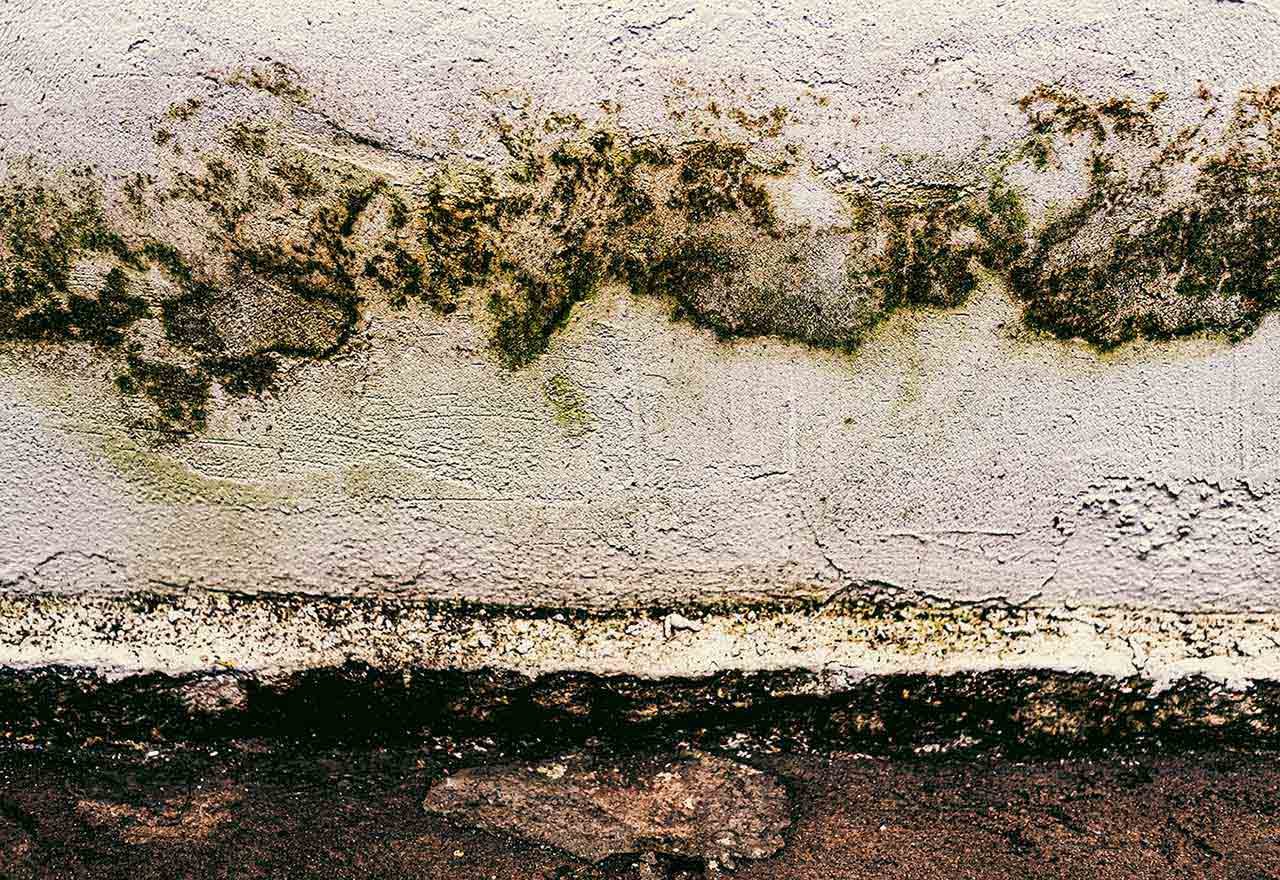
Suspect Asbestos, Lead, or Mold?
Learn what to do (and not do) before hazardous materials removal and remediation crews arrive. Protect your health, prevent spread, and document for insurance.
Hazardous Materials Removal: What to Do Before Help Arrives (Lead, Asbestos & Mold)
When a home has lead, asbestos, or mold, the biggest risk isn’t only property damage, it’s what gets into the air and into your lungs. Disturbing contaminated materials the wrong way can spread microscopic particles through your home and create long term health hazards. Whether you’ve discovered suspicious insulation in the attic, peeling lead paint, a musty crawlspace, or visible mold after water damage, the safest move is to assume contamination until a qualified professional confirms otherwise.
This guide explains quick, practical steps you can take before hazardous materials remediation crews arrive, to protect your household, prevent further contamination, and support a smoother insurance or documentation process.
Important: This article is general guidance and not a substitute for professional assessment. If you suspect asbestos or lead, do not disturb materials, professional testing and licensed removal are strongly recommended.
Know the Differences: Lead vs. Asbestos vs. Mold (Why the Approach Changes)
Lead (often paint or dust)
Lead exposure commonly comes from lead based paint (especially in older homes) and the dust created when it deteriorates, gets scraped, sanded, or disturbed during renovations. Children and pregnant people are especially vulnerable.
Asbestos (often insulation, flooring, textured coatings)
Asbestos is dangerous primarily when fibers become airborne, which can happen when materials are cut, broken, drilled, sanded, or pulled apart. Many asbestos containing materials can look “normal,” which is why guessing is risky.
Mold (growth + spores + moisture)
Mold is driven by moisture. The key is stopping water/humidity and preventing spore spread. Mold can become a serious contamination issue when disturbed, especially if it’s widespread or hidden in wall cavities.
Step 1: If You Suspect Hazardous Materials, Stop DIY Work Immediately
The fastest way homeowners make a bad situation worse is continuing demolition or cleanup. If you see any red flags (unknown insulation, crumbling ceiling texture, old vinyl tile, peeling paint, or significant mold) pause all work and shift to containment.
Do not:
- Sand, scrape, drill, or knock down materials.
- Sweep or vacuum (especially with a standard vacuum).
- Pull up flooring or remove insulation.
- Run fans that blow dust through the home.
Step 2: Protect People First (Isolate the Area)
Your goal is to reduce exposure and keep contaminants from spreading.
- Remove people and pets from the affected area.
- Close doors to seal off the space.
- If it’s a single room, place a towel at the bottom of the door to reduce air movement.
- Keep children completely away from potential lead dust zones.
If you have central HVAC, avoid running it if it could circulate dust/spores through ductwork (especially in uncertain contamination scenarios).
Step 3: Identify Common “High Risk” Hazardous Materials (Without Touching Them)
You don’t need to diagnose, just recognize what might need professional testing:
Potential asbestos sources:
- Attic/ceiling insulation (especially vermiculite; looks like small, shiny pebbles).
- Popcorn ceilings or textured coatings.
- Older floor tiles, adhesives, and backing materials.
- Pipe wrap/boiler insulation.
- Cement board, siding, or older joint compounds.
Potential lead sources:
- Homes built before modern restrictions (older paint layers).
- Chipping/peeling paint around windows/doors (friction surfaces create dust).
- Renovation debris from sanding or scraping.
Mold indicators:
- Visible growth (black/green/white fuzzy patches).
- Persistent musty odour.
- Recent water damage, leaks, or condensation.
- Warped drywall, bubbling paint, damp baseboards.
Step 4: Contain Dust or Spores (Only Minimal, Low Risk Steps)
If you can do so safely without disturbing materials:
- Lightly mist dusty debris with water from a spray bottle (just enough to keep dust from becoming airborne, do not soak electrical areas).
- Place debris in heavy duty bags only if it’s already loose and you can bag it without creating dust clouds.
- Set up a “no entry” rule and post a note at the door: “Potential contamination, do not enter.”
For mold, you can reduce spread by controlling moisture:
- If safe, run a dehumidifier outside the contaminated room (not inside it if it will blow air around).
- Fix obvious active leaks if you can do so without disturbing contaminated materials.
Step 5: Improve Air Safety (Without Blowing Contaminants Around)
Air control must be careful. Fans can spread contamination.
Safer choices:
- Keep doors closed and keep the area calm (less air movement).
- If you own an air purifier with HEPA filtration, place it in a nearby “clean zone” to improve general air quality, but don’t aim airflow into contaminated rooms.
Avoid:
- Box fans in windows if they pull air across dusty materials.
- Running HVAC to “air it out” before containment.
Professionals typically use negative air and HEPA systems designed to capture particles safely.
Step 6: Document Everything (Insurance, Renovation Records, Compliance)
Documentation is your friend, especially if hazardous materials are discovered mid project or after a loss.
- Take photos/video of the area and suspected materials without touching them.
- Write down:
- When you noticed it.
- Any recent leaks, floods, or renovation activity.
- Symptoms like visible dust, musty smell, or crumbling material.
- Save contractor notes, receipts, and communication if a renovation was underway.
If this is tied to a water loss (mold), share the full timeline with your insurer and remediation team.
Step 7: Call Licensed Professionals (Testing + Safe Removal Plan)
Hazardous material removal is not “standard cleanup.” A qualified team will typically:
- Assess and recommend testing (as required/appropriate).
- Create a containment plan.
- Use proper PPE and HEPA filtration.
- Remove and dispose of materials according to regulations.
- Perform clearance steps (and often air quality verification where applicable).
When calling, describe:
- The suspected material (lead/asbestos/mold).
- Location (attic, basement, ceiling, flooring).
- Whether anything was disturbed.
- Household risk factors (kids, pets, allergies/asthma).
Step 8: What NOT to Do (Most Common Costly Mistakes)
- Don’t scrape/sand paint to “see what’s underneath” (lead dust risk).
- Don’t demo ceilings or insulation without confirmation (asbestos risk).
- Don’t bleach mold on porous materials as a “fix” (can worsen moisture and doesn’t solve root cause).
- Don’t use a household vacuum (it can aerosolize particles).
- Don’t move contaminated items through clean areas without containment.
For 24/7 hazardous materials damage restoration in Williams Lake and surrounding Cariboo communities, contact Excel Interior Remediation Services.