
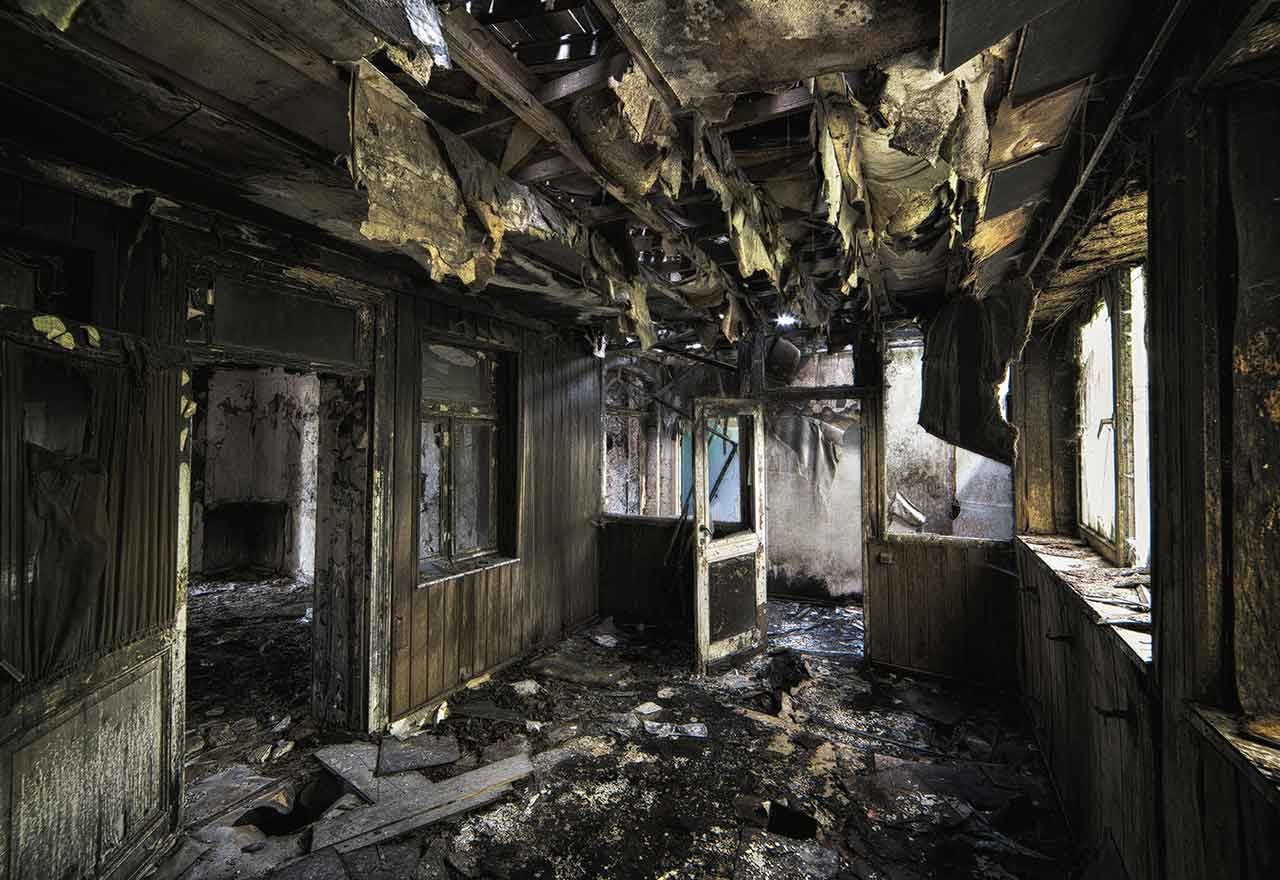
Has Fire, Smoke & Soot Damaged Your Home?
After fire damage, follow these fast steps to stay safe, reduce loss, and prepare for restoration before crews arrive.
Fire & Smoke Damage in Your Home: What to Do Before Emergency Help Arrives
A fire doesn’t end when the flames go out. In the hours that follow, smoke, soot, and water from fire fighting can continue damaging your home, corroding metals, staining walls and ceilings, soaking materials, and embedding odour deep into carpets and insulation. It’s overwhelming, but quick, safe actions can reduce the total loss and make the fire damage restoration process smoother. This guide covers what to do immediately after a fire, before professional fire and smoke restoration crews arrive.
Step 1: Fire Damage Safety First (Do Not Re-Enter Until You’re Cleared)
Your first priority is human safety. Even a small fire can leave dangerous conditions behind:
- Do not re-enter until the fire department says it’s safe.
- Watch for structural instability (sagging ceilings, warped floors, cracked beams).
- Treat all wiring as potentially compromised, electrical hazards are common after fire.
- Smoke can contain toxic particles; limit exposure, especially for kids, seniors, and anyone with asthma.
If you are cleared to enter briefly, keep it short, and avoid disturbing soot.
Step 2: Secure the Property (Prevent Theft & Further Damage)
Once allowed back in, secure the home to prevent additional loss:
- Board up broken windows/doors if needed.
- Cover roof openings with tarps (if safe and accessible, otherwise leave it to professionals).
- Turn off utilities if advised: gas, electricity, water.
If it’s winter, consider freezing risk: water lines can rupture in an unheated home. Restoration teams can help stabilize temperature safely.
Step 3: Call Your Fire & Smoke Restoration Team Immediately
Fire damage restoration is time sensitive. The longer soot sits, the harder it is to remove and the more permanent staining becomes. Professional crews bring specialized equipment for:
- Smoke and soot removal.
- Odour neutralization.
- Air filtration and HEPA cleaning.
- Structural drying (if water was used).
- Contents cleaning and removals.
Call a 24/7 emergency restoration provider as soon as possible to start mitigation and stop secondary damage.
Step 4: Contact Your Fire Damage Insurance Provider (Don’t Delay Mitigation)
If insurance will be involved, notify them right away. Ask what they need for documentation and whether they require preferred vendors. Still, don’t wait for approvals before taking basic steps to prevent further fire damage. Most policies require you to mitigate additional loss where reasonable.
Step 5: Photograph & Document Fire Damage (Before Moving Items)
Insurance claims move faster with proper documentation. Do a thorough record:
- Video walkthrough of every room (even “minor” areas).
- Photos of damage: ceilings, walls, cabinets, flooring, HVAC vents.
- Exterior photos: roofline, windows, siding, garage.
- Photos of contents damage (furniture, electronics, clothing).
- Notes: date/time, what happened, who you spoke with, incident number.
If you can safely locate it, photograph the suspected origin area, but don’t disturb it if investigators may need it.
Step 6: Understand the Fire Damage Types (Smoke, Soot, Water, Chemical Residue)
Fire events typically involve multiple kinds of fire damage at once:
- Soot: oily black residue that smears easily and permanently stains porous surfaces.
- Smoke: penetrates insulation, fabrics, and HVAC systems; causes lingering odour.
- Water: from sprinklers/hoses creates hidden moisture and mold risk.
- Corrosion: smoke residue can corrode metals and electronics rapidly.
- Chemical residues: from extinguishers and combustion byproducts.
This is why “DIY cleanup” can accidentally make it worse.
Step 7: What You Can Do Safely Before Help Arrives
If you’re cleared to enter and conditions are safe, focus on stabilizing (not deep cleaning).
Ventilate carefully (only if it’s safe)
- If outdoor air is clean and conditions allow, open windows briefly to reduce odour.
- Avoid using fans that blow soot around the home.
Reduce corrosion on valuables (quick triage)
Smoke residue can start damaging:
- Electronics
- Appliances
- Metal fixtures
- Tools and machinery
If items are dry and safe to handle, move them to a clean, dry area. Avoid turning on electronics until professionals confirm they’re safe.
Remove critical items (if you must)
Prioritize:
- Medications
- IDs, passports, and important documents
- Essential clothing
- Pet supplies
Put documents in zip bags to protect from soot and moisture.
Step 8: What NOT to Do (Common Mistakes That Increase Loss)
These are the big “don’ts” after fire and smoke damage:
- Don’t touch soot on walls, ceilings, or fabrics. It smears and stains permanently.
- Don’t dry wipe surfaces. This grinds soot into paint and finishes.
- Don’t wash soot covered clothing in a standard washer, it can set the odour and contaminate the machine.
- Don’t use household cleaners on smoke residue (many react poorly and cause worse staining).
- Don’t use the HVAC system until inspected, smoke particles can spread through ducts.
- Don’t eat food exposed to smoke/heat. When in doubt, throw it out.
Step 9: Manage Fire Damage Air Quality (Smoke Particles Are the Invisible Problem)
Smoke particles are tiny and can linger in the air and settle on every surface. If you have access and it’s safe:
- Keep people and pets out of the affected area.
- Close off impacted rooms to limit migration.
- If you own a HEPA air purifier, use it in a clean zone—not directly in heavy soot areas where filters will clog immediately.
Your restoration team will typically use HEPA filtration and negative air strategies to control particles safely.
Step 10: Prevent Water/Mold Damage Problems After Fire Fighting
If sprinklers or hoses were used, you may have a second emergency: water damage.
- Remove standing water if it’s safe and clean (small amounts only).
- Place towels to stop water from spreading.
- Run dehumidifiers in safe, clean zones if electricity is stable and not affected.
- Avoid pulling wet drywall/insulation yourself unless directed, professionals need to assess hidden damage properly.
Mold risk increases quickly when wet materials stay trapped behind walls and under flooring.
For 24/7 smoke and fire damage restoration in Williams Lake and surrounding Cariboo communities, contact Excel Interior Remediation Services